
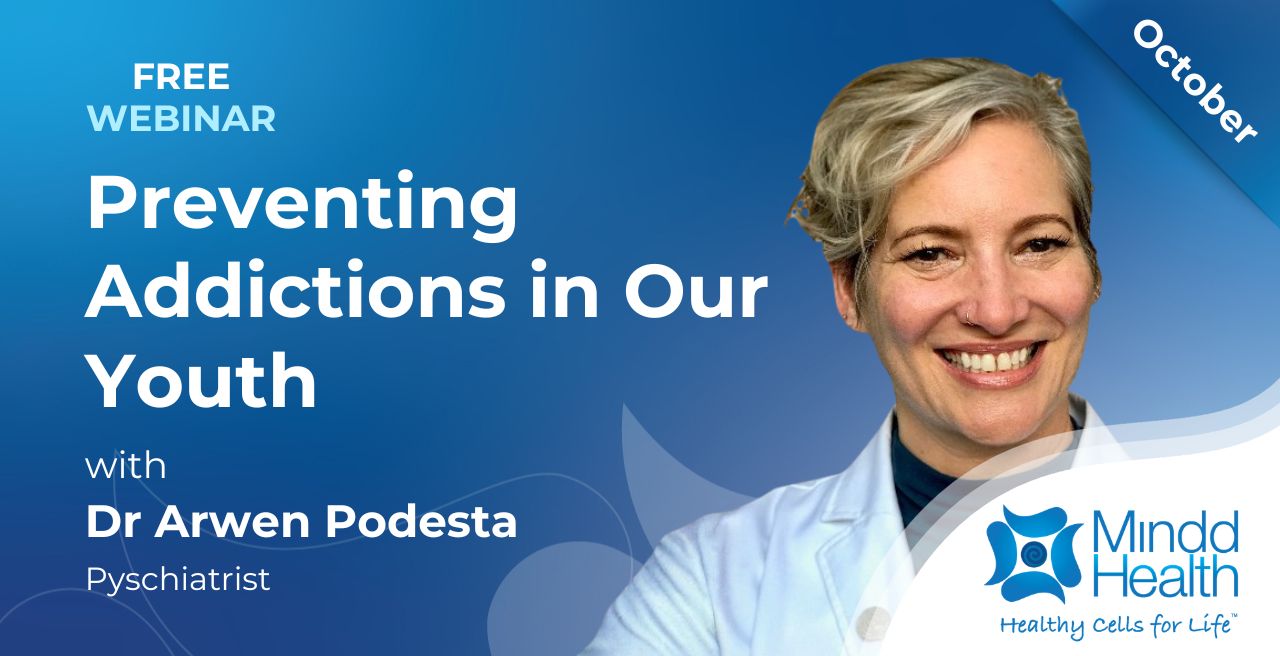
Preventing Addictions in Our Youth
with Dr Arwen Podesta, Psychiatrist, Clinician
Overview
Why do some young people experiment with drugs and move on, while others develop lifelong addiction?
In this video, Dr Arwen Podesta explores how substance use in the teenage years can shape the developing brain and increase the risk of addiction later in life. She explains how biology, genetics, stress and trauma combine to raise that risk, and why nine out of ten adults with substance use problems began before the age of 18. Drawing on patient stories, Dr Podesta outlines a family-centred approach to prevention built on communication, education, accountability, pledges and rewards. The session also covers today’s changing drug landscape, the impact of the COVID-19 pandemic on substance use and treatment, and the options available when prevention alone isn’t enough.
Objectives
- Understand why adolescence is a high-risk period for substance use, and how early use affects the developing brain.
- Explore how biology, genetics, stress, trauma and epigenetics interact to increase the risk of addiction.
- Learn the key elements of a family-centred prevention approach: communication, education, accountability, pledges and rewards.
- Recognise current risks facing young people, including high-potency cannabis, vaping, prescription medications and fentanyl in street drugs.
- Identify non-judgemental treatment options and supportive lifestyle factors, such as diet, exercise, sleep and stress reduction, for young people who do develop problems.
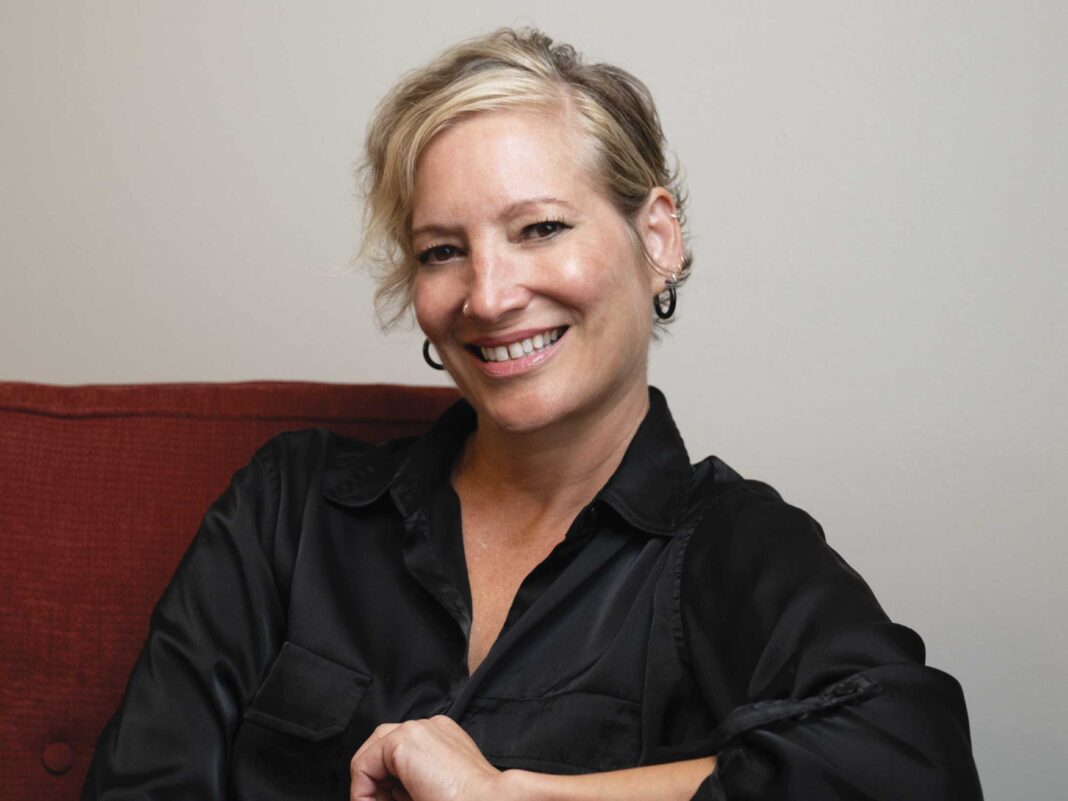
Bio - Dr Arwen Podesta,
Psychiatrist
Dr. Arwen Podesta is a New Orleans–based psychiatrist, board certified in Psychiatry, Addiction Medicine, and Forensic Psychiatry, with additional expertise in integrative and functional medicine. She is known for looking beyond symptom management to uncover the root causes of mental health and substance use disorders, treating the brain, body, and nervous system as one connected system. She founded a collaborative practice in New Orleans that brings psychiatry, psychotherapy, nutrition, and acupuncture under one roof, reflecting her belief that brain health depends on modifiable lifestyle factors, not medication alone. As a forensic psychiatrist, she brings clinical depth to the intersection of medicine, law, and policy, providing clear, objective psychiatric evaluation and testimony for attorneys, courts, and legal teams.
All Access Membership
Practitioner Training-
Full access to 100+ presentations & slides
-
Includes Brain & Mental Health, Chronic Disease Recovery, Building Resilience, Functional Medicine for Kids, Ages & Stages of Development
-
Earn CPE Points Online
-
Get listed in the Mindd Practitioner Directory
-
12 Therapeutic Diet E-Books